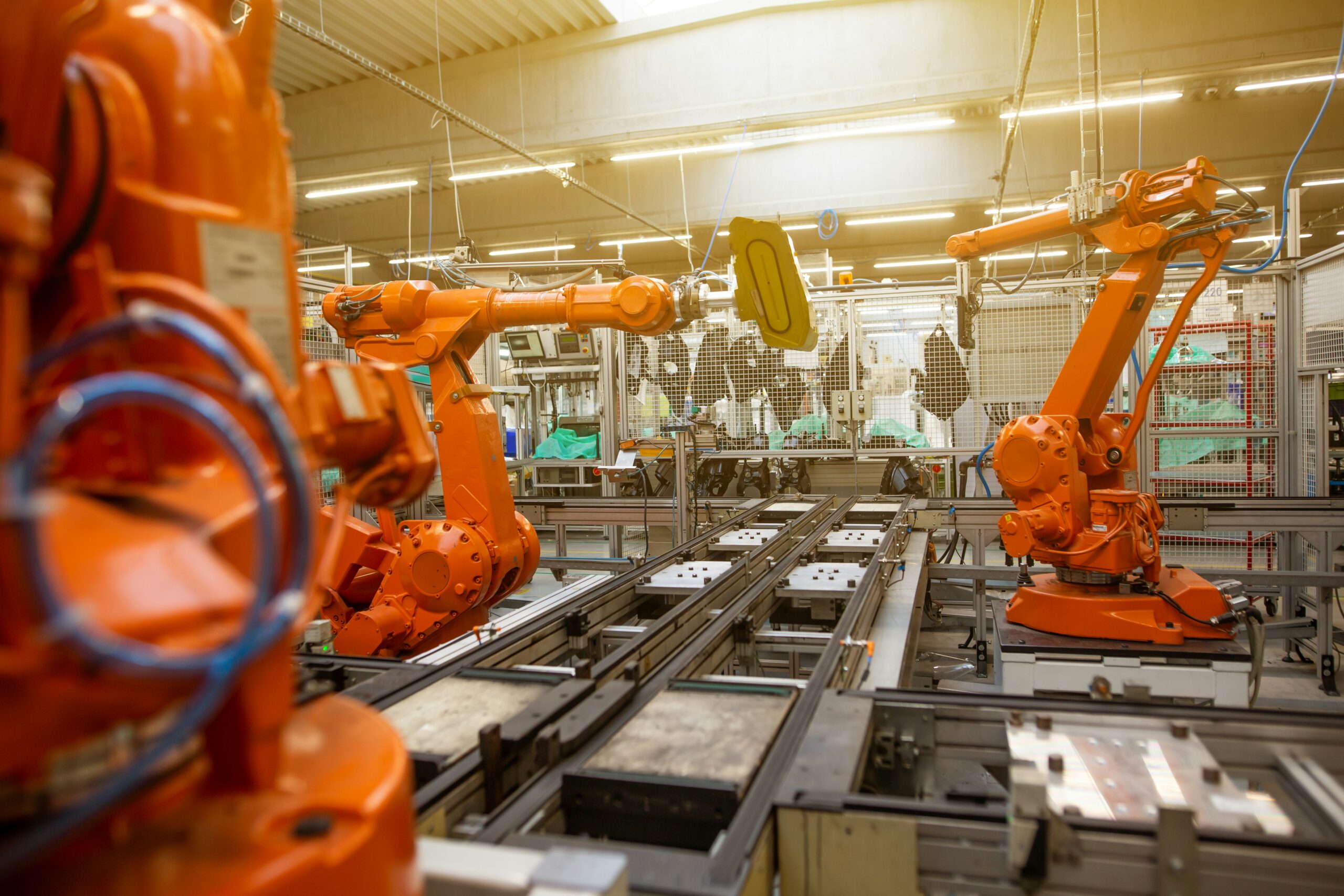
The world of manufacturing is undergoing a profound transformation. With the rise of Industry 4.0, traditional production methods are being replaced by smart, interconnected systems that enhance efficiency, reduce waste, and unlock new levels of innovation. Cutting-edge manufacturing technologies are at the heart of this revolution, driving progress that was unimaginable just a decade ago. From intelligent machines to digital twins, the production landscape is evolving rapidly, and businesses must adapt to stay competitive.
Smart Factories and Real-Time Data
One of the most visible changes in modern manufacturing is the emergence of smart factories. These facilities leverage sensors, automation, and advanced analytics to monitor operations in real time. By collecting vast amounts of data from machines and production lines, manufacturers gain unprecedented insight into their processes. This data-driven approach allows for proactive maintenance, minimizing downtime and reducing costs. Smart factories also enable flexible production, allowing companies to adjust output quickly in response to changing demand. The integration of real-time data analytics into production workflows is no longer optional but a necessity for manufacturers seeking to remain competitive.
Advanced Robotics and Automation
Robotics has long been a part of manufacturing, but the latest generation of intelligent robots brings a new level of capability. Collaborative robots, or cobots, can work safely alongside human operators, handling repetitive tasks and enhancing productivity. These robots are equipped with advanced sensors and artificial intelligence, allowing them to learn from their environment and optimize their performance over time. Automation extends beyond robotics, with smart conveyor systems, automated quality inspections, and AI-powered scheduling systems improving efficiency across the board. As technology continues to evolve, these systems will become more adaptive, making production lines faster, safer, and more cost-effective.
Additive Manufacturing and 3D Printing
Additive manufacturing, commonly known as 3D Printing, is reshaping how products are designed and produced. Unlike traditional subtractive methods, which remove material, additive manufacturing builds objects layer by layer, enabling highly complex designs that were previously impossible. This technology reduces material waste and accelerates prototyping, enabling companies to bring products to market faster. 3D Printing is also increasingly used to produce end-use parts in the aerospace, automotive, and healthcare industries. The ability to manufacture customized components on demand is transforming supply chains and creating new opportunities for small and medium-sized manufacturers.
Artificial Intelligence and Predictive Analytics
Artificial intelligence (AI) is another key driver of Industry 4.0. In manufacturing, AI algorithms analyze massive datasets to identify patterns, predict equipment failures, and optimize production schedules. Predictive analytics can forecast when a machine is likely to fail, allowing maintenance teams to intervene before costly downtime occurs. AI also supports quality control by detecting defects that might go unnoticed by human inspectors. By integrating AI into every stage of production, manufacturers can reduce waste, improve product consistency, and respond to market demands more effectively.
Digital Twins and Virtual Simulation
Digital twin technology is revolutionizing the way manufacturers design and monitor their operations. A digital twin is a virtual replica of a physical asset, such as a machine, production line, or even an entire factory. By simulating real-world conditions in a virtual environment, engineers can test changes before implementing them in the physical world. This reduces risk, accelerates innovation, and improves operational efficiency. Digital twins also allow for continuous monitoring of equipment performance, enabling proactive adjustments that enhance productivity. The use of virtual simulations in manufacturing is creating a more agile, responsive, and resilient production ecosystem.
Internet of Things (IoT) Integration
The Internet of Things (IoT) connects machines, devices, and systems across the manufacturing process. IoT sensors provide continuous feedback on temperature, vibration, energy consumption, and other critical metrics. This connectivity enables seamless communication between machines and management systems, facilitating smarter decision-making. By leveraging IoT data, manufacturers can optimize energy usage, track materials in real time, and implement more sustainable production practices. The integration of IoT is a cornerstone of Industry 4.0, enabling factories to operate more efficiently, at lower cost, and with greater precision.
The Future of Manufacturing
As these technologies converge, the future of manufacturing promises to be more intelligent, efficient, and adaptive than ever before. Companies that embrace these innovations will be better positioned to meet customer expectations, respond to market fluctuations, and operate sustainably. Industry 4.0 is not just a technological shift—it represents a cultural change, where collaboration between humans and machines drives creativity and efficiency. The ongoing adoption of advanced robotics, AI, digital twins, additive manufacturing, and IoT is creating a new era of production, one where speed, precision, and flexibility define success.
Cutting-edge manufacturing technologies are more than tools—they are catalysts for a profound transformation in industry. Smart factories, intelligent robotics, AI-driven analytics, digital twins, and IoT connectivity are reshaping the production landscape, enabling manufacturers to operate smarter, faster, and more sustainably. Businesses that leverage these innovations will not only survive in the era of Industry 4.0 but thrive, setting new standards for efficiency, quality, and competitiveness. The age of intelligent manufacturing has arrived, and the possibilities it brings are limitless.