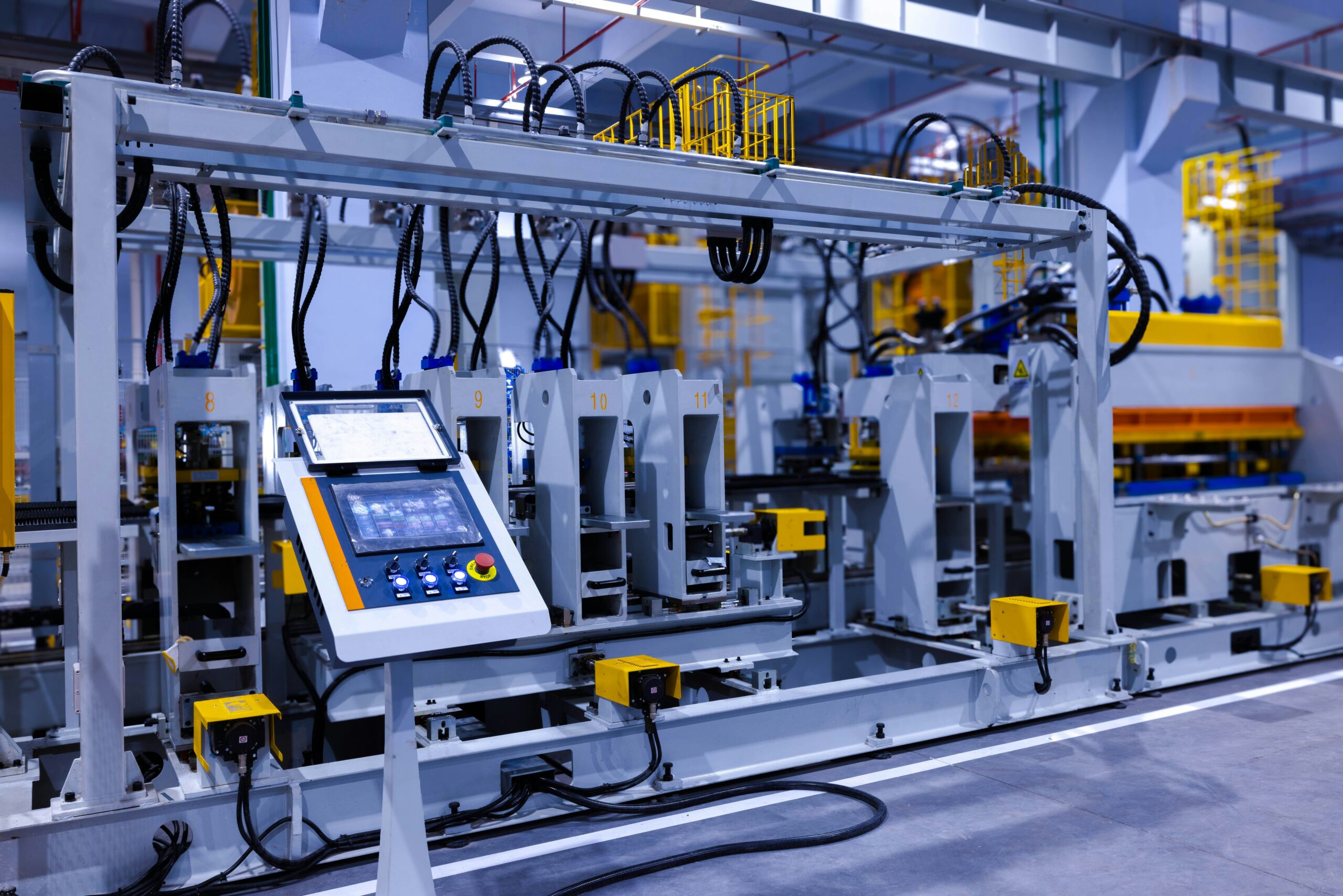
Modern production systems no longer depend on isolated machines or manual coordination because industries now require greater speed, precision, and continuous visibility across operations. As global competition intensifies, companies increasingly adopt modern manufacturing strategies that connect machines, modern software, and human teams into a single, integrated ecosystem.
At the same time, businesses that invest in modern manufacturing gain a significant advantage in decision-making and operational control. Leaders can access accurate, real-time information, which allows them to respond quickly to shifting customer demands and market trends. Furthermore, connected systems improve coordination across departments, ensuring that every part of the production cycle works in alignment.
Digital Integration: Transforming Production Systems
Manufacturers now rely on advanced digital technologies to integrate every stage of production into a seamless and synchronized workflow. These systems collect and share data instantly, enabling operators and managers to monitor equipment performance, production rates, and potential issues in real time.
In addition, digital integration enhances long-term planning and operational forecasting. Managers no longer depend on outdated reports or assumptions because they can analyze real-time data trends to make informed decisions. This capability allows production schedules to adjust dynamically based on demand, resource availability, and machine performance.
Real Time Insights Powering Smarter Operations
Access to real-time insights has fundamentally changed how factories and production facilities operate daily. Instead of waiting for periodic updates, teams can now view live performance metrics for machines, systems, and workflows at any time. This immediate visibility enables decision-makers to respond quickly to changes, improving efficiency and accuracy across operations.
Moreover, real-time data strengthens transparency throughout the organization. Employees at different levels can monitor progress, identify bottlenecks, and take action without waiting for instructions. This level of responsiveness helps prevent minor issues from turning into major disruptions. Consequently, modern manufacturing systems achieve higher productivity while delivering consistent, reliable output.
Industrial Internet of Things Driving Connectivity
The Industrial Internet of Things plays a vital role in creating fully connected manufacturing environments. Smart sensors and devices continuously gather and exchange data, forming a unified network that keeps machines and systems aligned. This constant flow of information ensures that production processes remain synchronized and efficient at all times.
Furthermore, IoT technology enables predictive maintenance, which significantly reduces unexpected equipment failures. Machines can detect early warning signs and notify teams before a breakdown occurs. This proactive approach enables maintenance teams to address issues proactively, minimizing downtime and extending the lifespan of valuable equipment. As a result, modern manufacturing operations become more reliable and cost-effective.
Stronger Collaboration Across Business Units
Connected manufacturing systems improve communication between different departments, including production, maintenance, logistics, and supply chain management. Information flows instantly across teams, reducing misunderstandings and eliminating delays caused by fragmented communication. This improved alignment allows teams to work together more effectively toward shared goals.
Additionally, shared access to data encourages collaboration on innovation and process improvement. Teams can analyze performance metrics together and identify opportunities to enhance efficiency and productivity. This collaborative approach leads to better problem-solving and faster implementation of improvements. Therefore, modern manufacturing supports a more unified and agile organizational structure.
Automation Enhancing Efficiency and Scale
Automation continues to play a critical role in advancing manufacturing capabilities by reducing reliance on manual labor for repetitive and time-consuming tasks. Machines and robotic systems perform these tasks with high precision and consistency, which leads to improved efficiency and reduced error rates.
Moreover, automation allows businesses to scale their operations without significantly increasing labor costs. Companies can expand production capacity while maintaining quality and speed, which is essential in competitive markets. This scalability ensures that organizations can meet growing demand without compromising performance. As a result, modern manufacturing provides a strong foundation for sustainable growth.
Supply Chain Integration Improving Visibility
Fully connected manufacturing environments extend beyond the factory floor to include the entire supply chain. Businesses can track raw materials, inventory levels, and shipments in real time, which improves coordination with suppliers and distributors. This enhanced visibility helps organizations anticipate potential disruptions and take proactive measures to avoid delays.
In addition, supply chain integration allows companies to respond quickly to unexpected changes in demand or logistics conditions. They can adjust sourcing strategies, reroute shipments, or modify production plans as needed. This level of flexibility ensures that operations remain stable even in uncertain conditions. Consequently, modern manufacturing strengthens supply chain resilience and reliability.
Data Driven Quality Control Systems
Continuous monitoring and data analysis have significantly improved quality control in manufacturing processes. Sensors and digital systems detect deviations from standards immediately, allowing teams to correct issues before defective products move further down the production line. This proactive approach reduces waste and ensures consistent product quality.
Furthermore, advanced data analytics helps identify patterns and trends that affect product quality over time. Manufacturers can use these insights to refine processes, eliminate recurring defects, and improve overall performance. This ongoing optimization leads to higher customer satisfaction and reduced operational costs. Therefore, modern manufacturing systems deliver superior quality outcomes.
The Future Direction of Connected Industry
The future of manufacturing will continue to evolve as new technologies enhance connectivity and intelligence across production systems. Artificial intelligence and machine learning will play a larger role in analyzing data, predicting outcomes, and automating complex decisions. These advancements will enable even greater efficiency, precision, and adaptability in industrial operations.
At the same time, sustainability will become an increasingly important priority for manufacturers worldwide. Connected systems help optimize energy usage, reduce material waste, and improve resource management. As environmental concerns grow, businesses will rely on modern manufacturing solutions to balance productivity with sustainability goals. Ultimately, fully connected environments will shape a smarter, more efficient, and more responsible industrial future.