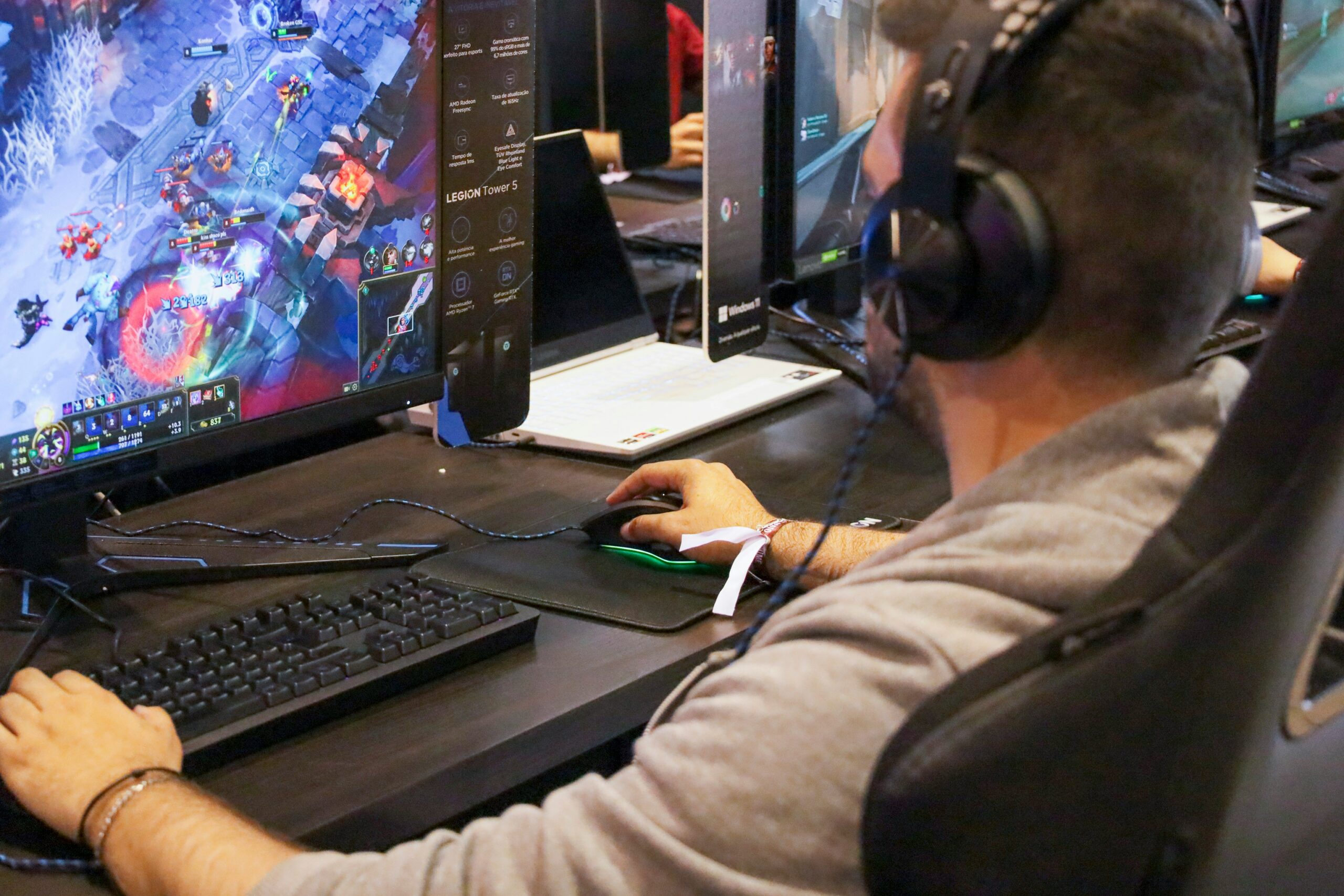
Competitive gaming has changed the way people view modern competition. Years ago, many people saw gaming as a hobby with little value outside entertainment. Today, however, esports attracts millions of viewers, large sponsorship deals, and professional players who train every day. At the same time, traditional sports continue to dominate global culture through football, basketball, soccer, baseball, and many other athletic competitions. Although these activities appear different on the surface, they share many of the same mental demands.
Competitive gaming and traditional sports both require focus, quick thinking, emotional control, teamwork, and discipline. Professional gamers and athletes prepare for pressure in similar ways because success depends on more than talent alone. In fact, mental performance often separates champions from average competitors. As esports continue to grow worldwide, more people now recognize the surprising mental similarities between gaming and traditional athletics.
Focus Shapes Every Competitive Moment
Focus remains one of the most important skills in competitive gaming and traditional sports. Professional gamers must track enemy movement, teammate communication, and changing game objectives simultaneously. A single distraction can lead to mistakes that change the outcome of a match. Therefore, players train their minds to maintain concentration under stress.
Traditional athletes also depend heavily on focus during competition. Basketball players watch the entire court while reacting to defenders and teammates. Soccer players constantly adjust their positioning to keep pace with the game. Likewise, baseball hitters focus intensely on each pitch because even a short lapse in attention can ruin performance. In both gaming and sports, concentration creates consistency under pressure.
Strong focus also improves confidence. When competitors stay mentally sharp, they make faster and smarter decisions. As a result, they remain calm during difficult moments instead of reacting emotionally. Competitive gaming and traditional sports both reward people who can maintain attention despite stress, noise, and pressure from opponents.
Fast Decision Making Creates Competitive Advantages
Competitive gaming moves quickly, and players often make decisions within seconds. During esports matches, situations change constantly. Players must choose strategies, react to attacks, and support teammates without hesitation. Consequently, quick thinking becomes essential for survival and success.
Traditional sports demand the same type of mental speed. Football quarterbacks read defenses before making passes. Tennis players react instantly to serves and returns. Hockey players adjust positioning during fast attacks. Because games move rapidly, athletes must trust their instincts while processing information quickly.
Practice improves this ability over time. Competitive gamers repeat situations until their reactions become natural. Similarly, athletes train repeatedly so they can respond without delay during competition. Through repetition and experience, both groups strengthen their mental agility and decision-making skills.
Teamwork Builds Stronger Performance
Many esports games depend heavily on teamwork. Players communicate constantly while coordinating strategies and supporting teammates during matches. Without trust and cooperation, even highly skilled teams struggle to win consistently. Therefore, communication becomes one of the most valuable mental skills in esports.
Traditional sports rely on teamwork in the same way. Basketball teams move together during offensive plays. Soccer players communicate while defending and attacking. Football teams depend on precise coordination between every player on the field. Because team chemistry matters so much, athletes and gamers both spend time building trust and understanding.
Good teamwork also reduces pressure during difficult moments. Players feel more confident when teammates communicate clearly and support one another. In competitive gaming and traditional sports, strong communication often separates successful teams from weaker opponents.
Emotional Control Matters Under Pressure
Pressure affects every competitor, whether they compete in esports or traditional sports. Professional gamers often play in front of massive online audiences while dealing with expectations from fans and sponsors. During close matches, emotions can rise quickly. However, emotional reactions often lead to mistakes and poor decisions.
Traditional athletes experience similar challenges during major games and championships. A basketball player may miss an important shot because nervousness affects focus. Likewise, a soccer player may struggle during penalty kicks if anxiety becomes overwhelming. Therefore, emotional control becomes essential for high-level performance.
Competitors who manage emotions effectively usually perform more consistently. They recover faster after mistakes and remain calm during stressful moments. Over time, emotional resilience helps both gamers and athletes build stronger confidence and mental discipline.
Strategic Thinking Drives Success
Competitive gaming involves far more than quick reactions. Players study maps, strategies, and opponent tendencies before major tournaments. Teams often spend hours reviewing gameplay footage and discussing tactical plans. Because strategy plays such a large role, mental preparation becomes just as important as mechanical skill.
Traditional sports follow the same approach. Coaches analyze opponents before games and create detailed plans for competition. Athletes study tactics and adjust strategies during matches based on changing conditions. Therefore, strategic thinking connects esports and traditional sports in powerful ways.
A strong strategy also improves teamwork and decision-making. Players who understand the game deeply can predict situations before they happen. As a result, they respond faster and make smarter choices during competition. Competitive gaming and sports both reward intelligent preparation and tactical awareness.
Mental Endurance Separates Elite Competitors
Mental endurance enables competitors to stay sharp during long, stressful events. Esports tournaments often last several hours, and players must maintain concentration throughout every match. Mental fatigue can reduce reaction speed and increase the likelihood of mistakes over time. Therefore, professional gamers train their minds to stay focused for long periods.
Traditional athletes also rely on mental endurance during demanding competitions. Soccer players continue making decisions late in games despite physical exhaustion. Tennis athletes remain focused through long matches that test patience and emotional control. Likewise, marathon runners depend on mental strength to continue pushing forward under pressure.
Competitors who build mental endurance usually handle stress more effectively. They remain disciplined in difficult situations and avoid emotional collapse under pressure. In both esports and traditional sports, mental stamina often determines who succeeds during critical moments.