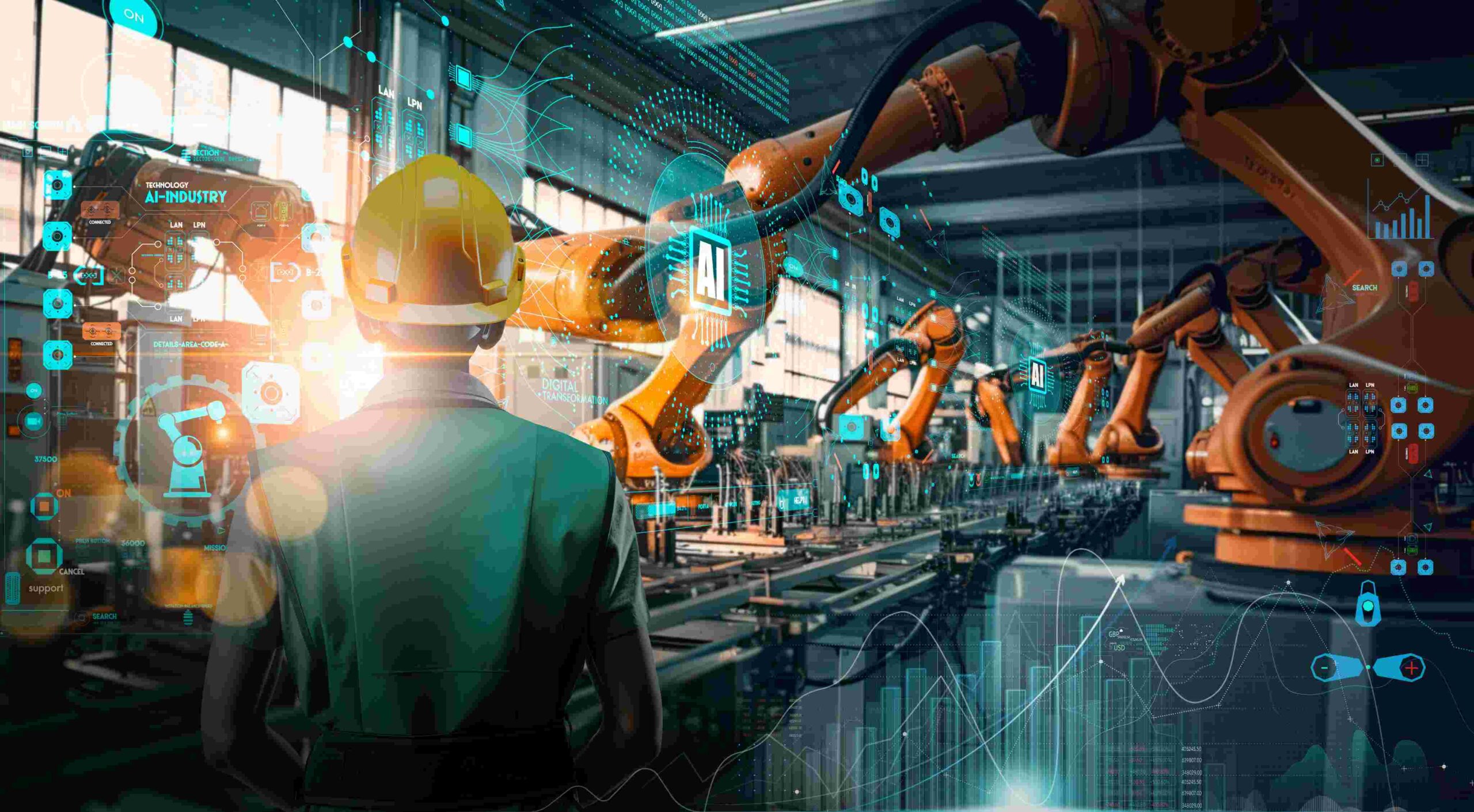
Modern factories rely on machines to keep production moving. However, unexpected equipment failures can stop work, increase costs, and delay orders. As a result, manufacturers need better ways to protect their operations and maintain steady output. Predictive maintenance offers a smart solution by helping companies identify equipment problems before major failures occur.
Today, manufacturers use sensors, data analysis, and smart software to monitor machine health. These tools also help maintenance teams make informed decisions about repairs and equipment care. Instead of waiting for machines to break down, companies can address warning signs early. Therefore, predictive maintenance plays an important role in improving efficiency, reducing downtime, and supporting modern manufacturing.
Understanding Predictive Maintenance in Manufacturing
Predictive maintenance uses equipment data to identify potential machine problems before they cause failures. Sensors collect information about temperature, vibration, pressure, and machine performance. Then, software analyzes this information to detect unusual changes that may indicate developing issues.
Unlike traditional maintenance methods, predictive maintenance focuses on actual equipment conditions. For example, maintenance teams can replace worn components when data shows signs of damage. As a result, manufacturers avoid unnecessary repairs while keeping machines in reliable working condition.
Reducing Unexpected Equipment Downtime
Unexpected downtime creates serious challenges for manufacturing companies. When essential machines stop working, production schedules suffer, and employees may struggle to complete their tasks. Sudden failures can also lead to costly emergency repairs and missed delivery deadlines.
Predictive maintenance helps manufacturers reduce these risks through continuous equipment monitoring. For instance, sensors can detect unusual vibration patterns before a motor fails. As a result, technicians can investigate issues and schedule repairs during planned maintenance periods. This approach supports smoother production and helps companies meet customer expectations.
Improving Manufacturing Efficiency
Manufacturing efficiency depends on reliable equipment and well-organized production processes. However, poorly maintained machines often consume more energy, operate slowly, or produce inconsistent results. These problems can reduce productivity and increase operating expenses.
With predictive maintenance, manufacturers can monitor equipment performance and identify areas that need attention. Maintenance teams can also use machine data to improve repair schedules and reduce unnecessary interruptions. As a result, factories can maintain consistent production levels while using resources more effectively.
Lowering Maintenance and Operating Costs
Traditional maintenance strategies often require companies to inspect or replace equipment parts according to fixed schedules. Although this approach can prevent some failures, it may also create unnecessary maintenance expenses. Moreover, unexpected breakdowns can increase labor costs and require urgent replacement parts.
Predictive maintenance allows companies to focus resources on equipment that shows signs of wear. As a result, manufacturers can avoid some unnecessary service tasks and reduce emergency repair expenses. Better maintenance planning also helps businesses manage spare parts, labor, and operating budgets more effectively.
Supporting Workplace Safety
Machine failures can create dangerous situations for factory workers. For example, damaged equipment may overheat, move erratically, or stop without warning. Therefore, manufacturers must identify mechanical problems early to maintain safer working conditions.
Predictive maintenance supports workplace safety by providing useful information about equipment health. When monitoring systems detect abnormal conditions, maintenance teams can investigate potential hazards. Regular equipment analysis also helps companies identify recurring mechanical issues. However, these systems should complement safety inspections, employee training, and established workplace procedures.
Using Smart Sensors and Industrial Data
Smart sensors form an important part of modern predictive maintenance systems. These devices collect information from machines during daily operations. For example, vibration sensors can identify unusual movement, while temperature sensors help detect overheating components.
Manufacturers can connect these sensors to industrial monitoring platforms that analyze equipment conditions. Digital dashboards also let maintenance teams review performance trends and spot potential problems. As a result, companies gain better visibility into machine health and can respond more effectively to changing equipment conditions.
The Role of Artificial Intelligence in Maintenance
Artificial intelligence helps manufacturers analyze large amounts of equipment data. Machine learning systems can recognize patterns that may indicate future mechanical problems. Furthermore, these tools can improve their predictions as companies collect more reliable operating information.
For example, an AI system may compare current motor performance with earlier operating patterns. If the system detects unusual changes, it can alert maintenance teams to investigate. As a result, technicians can focus on machines that need attention. However, accurate predictions depend on quality data, proper system setup, and regular human review.
Extending Equipment Life Through Early Detection
Industrial equipment represents a major investment for manufacturing companies. Therefore, protecting machinery from avoidable damage helps businesses manage long-term operating costs. Small mechanical problems can become serious when maintenance teams fail to identify them early.
Predictive maintenance helps companies spot warning signs before equipment conditions worsen. For instance, technicians can address unusual bearing vibration before it damages nearby components. Additionally, timely repairs help machines operate within suitable performance limits. As a result, manufacturers may extend equipment life and delay expensive replacement decisions.
Improving Product Quality and Production Consistency
Reliable machines help factories maintain consistent product quality. However, equipment wear can affect production accuracy, processing speed, and finished products. These changes may lead to defects, wasted materials, and customer complaints.
Predictive maintenance helps manufacturers identify machine conditions that could affect product quality. For example, monitoring systems may detect changes in pressure or temperature during production. As a result, maintenance teams can fix equipment problems before they cause repeated defects. This approach supports stable manufacturing processes and reduces avoidable material waste.
Challenges of Implementing Predictive Maintenance
Although predictive maintenance offers valuable benefits, manufacturers may face challenges during implementation. Installing sensors, selecting software, and training employees require planning and financial resources. Moreover, companies must collect reliable equipment data to generate useful maintenance insights.
Manufacturers can start by monitoring machines that most affect production. Then, they can evaluate results and gradually expand their systems. Clear communication among maintenance teams, production managers, and technology specialists also helps drive adoption. This practical approach reduces implementation risks and supports steady progress.